
- News
- City News
- ludhiana News
- Villages in Ludhiana have more stroke cases than the city
Trending
This story is from October 30, 2017
Villages in Ludhiana have more stroke cases than the city
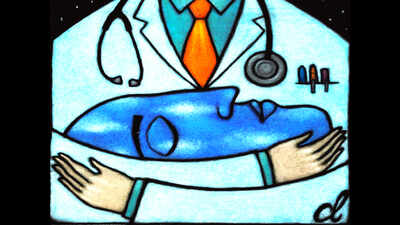
Representative image
Stroke is the second leading cause of death worldwide.

Cases of stroke are due to many factors, but mainly lifestyle, obesity, and diabetes. Various hospitals in the city have also organized workshops and awareness events on stroke. CMCH organized an Acute Stroke Workshop. Dr Mahesh Kate, associate professor of Neurology at CMCH and the organizing secretary of the workshop, said: “The purpose of this workshop was to empower practising physicians and emergency medical officers to detect and manage stroke in a timely manner. Experts from different departments guided the physicians.”
Dr Pandian also suggested that stroke was occurring at a very high rate among young people in the city. He emphasized that there was a need for training doctors, nurses, and other staff to treat stroke patients. He had previously demonstrated at CMCH that stroke unit care saves lives at a very low cost. He is currently working with the World Health Organization (WHO) to develop guidelines for improving stroke care in India, Africa, and Southeast Asia.
In other private hospitals in the city on the occasion, Dr Harinder Singh Bedi, chairman, Cardio-Vascular Sciences at a private hospital, stated: “The most common cardio-vascular diseases are Coronary Heart Disease (CHD) and Cerebro-Vascular Diseases (like stroke). All diseases of the heart and blood vessels along with vascular diseases of the brain constitute cardio-vascular diseases. Stroke occurs when blood supply to a part of the brain gets interrupted or blocked, and consequently, brain cells get damaged or die, leading to paralysis of certain parts of the body. The interruption of blood supply to the brain may occur as a result of clogging or blockage of the internal carotid artery (an artery that supplies blood to the brain), leading to an Ischemic Stroke. Ischemic strokes account for 80% of all strokes. Bleeding from a ruptured blood vessel of the brain leads to the formation of a blood clot (that also cuts off the supply of blood to a part of the brain), thereby causing a Haemorrhagic Stroke. After heart attack and cancer, stroke is the leading cause of death in India.”
CAUSES
* High blood pressure
* Obesity
* Diabetes
* High cholesterol
* Lack of exercise
SYMPTOMS
* Sudden paralysis of one side of the body, including feet
* Sudden numbness on one side of the body
* Giddiness, headache, vomiting, loss of consciousness
* Sudden trouble in speaking
WHAT IS STROKE?
Stroke is a brain attack, when blockage occurs in the arteries of the brain. There are two types of strokes:
1. Ischemic Stroke: Brain damage due to blockage of arteries in the brain.
2. Brain Haemorrhage: Blood leaks from vessel wall.
(The first one is more common)
Treatment: Should be started within four hours, and be diagnosed as early as possible. It should be provided in a stroke-ready hospital, where there is a stroke unit, and an educated team is available.
Precautions:
* Control Hypertension and blood pressure.
* Start a healthy diet.
* Control diabetes.
* Alter lifestyle.
End of Article
FOLLOW US ON SOCIAL MEDIA

Photostories

Hot Picks
TOP TRENDING
Popular Categories
Hot on the Web
Top Trends
Trending Topics
Diwali WishesDhanteras 2024Vettaiyan CollectionDiwali 2024 DateAhoi Ashtami 2024Venom ReivewBigg Boss 18Vicky Vidya Ka Woh Wala Video CollectionSalman KhanPushpa 2IsraelisPapayaSalman KhanPataudi PalaceActor Bala Wedding NewsGheeDiwali Bank HolidaysCyclone Dana Track OnlineSamsung Galaxy S24Wordle Answer
Living and entertainment
Latest News
Nothing but books as Diwali presentApplying castor oil on navel at night: Why it is highly recommendedDiwali sales cross Rs 1.2 lakh crore, another Rs 2 lakh crore expected by year endGoa board’s Class IX Urdu question paper comes with answer key'Power of dialogue': Defence minister Rajnath Singh on India-China easing LAC tensionGarmin Fenix 8 series debuts in India: Price, specifications and moreWatch: Sudden crack in floor tiles causes panic among Tamil Nadu govt staffISL: A text to Coyle that led to Edwin’s return to Chennaiyin FCJ&K: Policeman injured in grenade explosion at Baramulla court evidence roomTips to ensure a diabetic friendly Diwali this yearViral video: Auto driver intercepted with rigged meter in MumbaiShahid Kapoor and Mira Rajput’s playful BTS from Diwali bash photoshoot: 'What it takes to get that one picture'Unni Mukundan’s ‘Marco’ Hindi teaser to be unveiled by John AbrahamKartik Aaryan recalls standing outside Mannat to catch a glimpse of Shah Rukh Khan: 'I’ve been on the other side'Exclusive - Bigg Boss 18: Muskan Bamne's 'Anupamaa' family members Sudhanshu Pandey, Madalsa and Nidhi back her journeyKerala Blasters bank on attack as they face BFCDiabetic Diet: 9 worst fruits for diabetic peopleIndia withdraw from World wrestling championships
Copyright © 2024 Bennett, Coleman & Co. Ltd. All rights reserved. For reprint rights: Times Syndication Service